 EN
EN
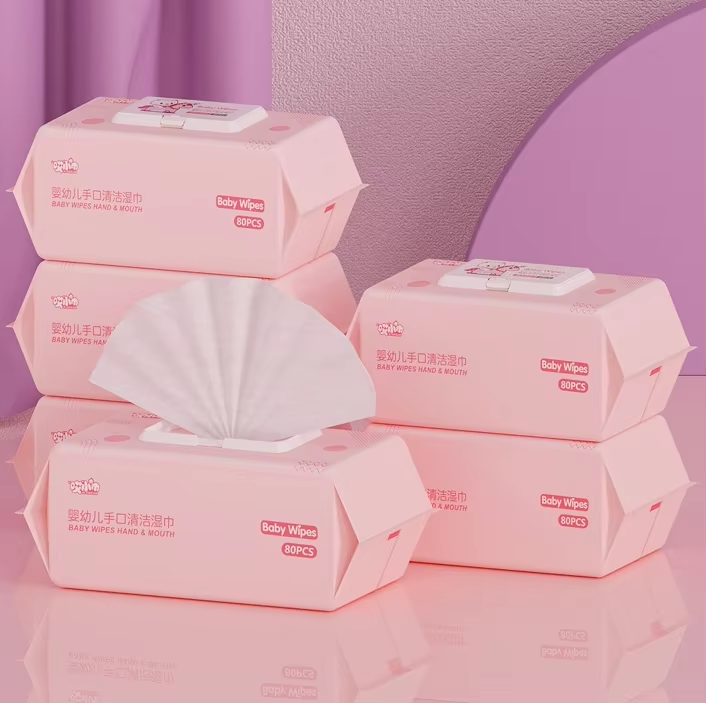
Understanding how baby wipes meet B2B hygiene and safety requirements is crucial for businesses in healthcare, childcare, hospitality, and retail sectors. These products must comply with stringent regulatory standards while maintaining effectiveness across commercial applications. The intersection of consumer safety expectations and business operational needs creates a complex framework of requirements that baby wipes manufacturers must navigate to serve B2B markets successfully.

Business buyers of baby wipes face unique challenges in ensuring their procurement choices align with safety protocols, regulatory compliance, and operational efficiency standards. Unlike consumer purchases, B2B baby wipes procurement involves detailed specification requirements, quality assurance documentation, and supply chain reliability considerations. Companies must evaluate how baby wipes formulations, manufacturing processes, and packaging solutions support their specific hygiene protocols while meeting industry-specific safety mandates.
Regulatory Framework for B2B Baby Wipes Compliance
FDA and Consumer Product Safety Standards
Baby wipes sold to businesses must comply with Food and Drug Administration guidelines that classify them as cosmetic products when used for cleansing purposes. The FDA requires manufacturers to ensure baby wipes are safe for their intended use and properly labeled with ingredient lists. B2B buyers need documentation proving compliance with 21 CFR regulations, particularly regarding preservative systems and pH levels that prevent harmful bacterial growth during storage and use.
Consumer Product Safety Commission regulations also apply to baby wipes in commercial settings, especially when used in childcare facilities or healthcare environments. These standards address choking hazards from packaging, chemical exposure risks, and proper disposal requirements. Business purchasers must verify that baby wipes suppliers provide certificates of compliance with CPSC testing protocols and maintain current safety data sheets for all product formulations.
International Quality Certifications
Global B2B buyers often require baby wipes to meet ISO 9001 quality management standards and ISO 14001 environmental management certifications. These international frameworks ensure consistent manufacturing processes and sustainable production practices. Baby wipes manufacturers serving B2B markets typically maintain detailed quality control documentation that demonstrates adherence to these standards throughout their supply chain operations.
European buyers may specifically require baby wipes to comply with EN 1276 antimicrobial efficacy standards and REACH chemical safety regulations. These certifications verify that baby wipes provide documented antimicrobial performance while using only approved chemical substances. B2B procurement teams must evaluate supplier capabilities to maintain these certifications across different product variants and manufacturing locations.
Ingredient Safety and Formulation Requirements
Hypoallergenic and Dermatological Testing
Commercial baby wipes must undergo rigorous dermatological testing to ensure skin compatibility across diverse user populations. B2B applications often involve frequent use by multiple individuals, requiring baby wipes formulations that minimize allergic reactions and skin irritation. Patch testing protocols verify that baby wipes ingredients do not cause sensitization or adverse reactions when used repeatedly in professional settings.
Hypoallergenic claims on baby wipes require scientific substantiation through clinical testing and documentation. Business buyers need access to dermatological test reports that demonstrate low allergenicity potential and skin tolerance studies. These requirements become particularly stringent in healthcare environments where baby wipes may contact compromised skin or be used on patients with sensitive conditions.
Antimicrobial Efficacy and Preservation Systems
Baby wipes intended for B2B hygiene applications must demonstrate proven antimicrobial efficacy against relevant pathogens. Testing protocols typically follow ASTM International standards for antimicrobial effectiveness, measuring kill rates against bacteria, viruses, and fungi within specified contact times. Business buyers require documentation showing that baby wipes maintain their antimicrobial properties throughout their shelf life and under various storage conditions.
Preservation systems in baby wipes must prevent microbial growth while remaining safe for intended users. B2B buyers evaluate preservation effectiveness through challenge testing data that demonstrates product stability against contamination. The selection of preservatives must balance antimicrobial efficacy with safety profiles appropriate for frequent use in commercial environments.
Manufacturing Quality Assurance and Traceability
Good Manufacturing Practices Implementation
Baby wipes production for B2B markets requires adherence to Good Manufacturing Practices that ensure consistent product quality and safety. These practices encompass facility cleanliness standards, personnel training requirements, and equipment maintenance protocols. B2B buyers often audit baby wipes manufacturing facilities to verify GMP compliance and assess quality control capabilities firsthand.
Documentation systems in baby wipes manufacturing must provide complete traceability from raw material sourcing through finished product distribution. Lot tracking systems enable rapid identification and isolation of any quality issues that may arise. Business purchasers require access to batch records, raw material certificates of analysis, and finished product testing results to support their own quality assurance programs.
Supply Chain Integrity and Documentation
B2B baby wipes supply chains must maintain integrity through documented supplier qualification processes and ongoing monitoring systems. Raw material suppliers undergo evaluation for quality capabilities, regulatory compliance, and business continuity planning. This comprehensive approach ensures that baby wipes components meet established specifications and safety requirements consistently.
Chain of custody documentation tracks baby wipes from production through delivery to business customers. Temperature monitoring during transportation, proper storage conditions at distribution centers, and delivery verification processes all contribute to maintaining product integrity. B2B buyers require detailed logistics documentation to verify that baby wipes have been handled appropriately throughout the supply chain.
Industry-Specific Safety Adaptations
Healthcare Environment Requirements
Healthcare facilities using baby wipes must ensure compatibility with infection control protocols and patient safety standards. These environments require baby wipes that do not interfere with medical device function or interact negatively with medications or treatments. Biocompatibility testing verifies that baby wipes materials and formulations are suitable for use in sensitive healthcare applications.
Hospital-grade baby wipes often require additional antimicrobial testing against healthcare-associated pathogens and demonstrate compatibility with environmental surface disinfection protocols. The product design must support proper disposal methods that align with medical waste management requirements while maintaining effectiveness until point of use.
Foodservice and Hospitality Applications
Baby wipes used in foodservice environments must comply with food safety regulations and demonstrate that they do not introduce contaminants or allergens. These applications require careful evaluation of ingredient lists to ensure compatibility with food handling protocols and allergen management systems. Baby wipes packaging must support proper storage in commercial kitchens and dining areas while maintaining product effectiveness.
Hospitality businesses using baby wipes in guest-facing applications need products that meet both safety requirements and customer satisfaction expectations. The formulation must provide effective cleansing without leaving residues or causing skin irritation for guests with varying sensitivities. Documentation requirements include safety data sheets and ingredient disclosures that support facility risk management programs.
Packaging and Storage Safety Considerations
Moisture Retention and Contamination Prevention
Baby wipes packaging systems must maintain product moisture content while preventing microbial contamination throughout the product lifecycle. B2B applications often involve extended storage periods and frequent package opening, requiring robust barrier properties and effective resealable closures. Package integrity testing verifies that baby wipes retain their intended moisture levels and antimicrobial properties under commercial use conditions.
Contamination prevention measures include package design features that minimize exposure to environmental contaminants and user-introduced bacteria. Single-use packaging options may be preferred in some B2B applications to eliminate cross-contamination risks. Baby wipes packaging must also support proper dispensing methods that maintain hygiene standards in professional environments.
Environmental Stability and Shelf Life
Commercial baby wipes storage requires packaging systems that maintain product stability across varying environmental conditions typical in business facilities. Temperature fluctuations, humidity variations, and extended storage periods can affect baby wipes performance and safety characteristics. Accelerated aging studies demonstrate that baby wipes maintain their intended properties throughout their labeled shelf life under specified storage conditions.
Stability testing protocols evaluate baby wipes formulation integrity, antimicrobial activity retention, and package functionality over time. B2B buyers require documentation showing that baby wipes perform consistently from manufacturing through expiration date, supporting reliable inventory management and quality assurance programs.
FAQ
What certifications should B2B buyers look for when purchasing baby wipes?
B2B buyers should verify that baby wipes suppliers provide ISO 9001 quality management certification, FDA compliance documentation for cosmetic products, and relevant antimicrobial efficacy test reports. Industry-specific certifications such as healthcare facility approvals or foodservice compatibility documentation may also be required depending on the intended application.
How do baby wipes maintain their antimicrobial effectiveness during commercial storage?
Baby wipes maintain antimicrobial effectiveness through carefully formulated preservation systems and specialized packaging that prevents moisture loss and contamination. Manufacturers conduct stability testing to verify that baby wipes retain their antimicrobial properties throughout their shelf life when stored according to specified conditions, typically in controlled temperature and humidity environments.
What documentation do businesses need for regulatory compliance when using baby wipes?
Businesses typically need safety data sheets, ingredient lists, certificates of analysis, antimicrobial efficacy test reports, and regulatory compliance statements from baby wipes manufacturers. Healthcare and foodservice applications may require additional documentation such as biocompatibility testing results or food contact safety certifications depending on specific regulatory requirements.
Can baby wipes be used safely in healthcare environments with sensitive patients?
Baby wipes can be used safely in healthcare environments when they undergo appropriate biocompatibility testing and demonstrate compatibility with medical protocols. Healthcare facilities should verify that baby wipes formulations do not interfere with medical devices, medications, or treatment procedures, and that they meet facility-specific infection control requirements through proper documentation and testing.
Table of Contents
- Regulatory Framework for B2B Baby Wipes Compliance
- Ingredient Safety and Formulation Requirements
- Manufacturing Quality Assurance and Traceability
- Industry-Specific Safety Adaptations
- Packaging and Storage Safety Considerations
-
FAQ
- What certifications should B2B buyers look for when purchasing baby wipes?
- How do baby wipes maintain their antimicrobial effectiveness during commercial storage?
- What documentation do businesses need for regulatory compliance when using baby wipes?
- Can baby wipes be used safely in healthcare environments with sensitive patients?