 EN
EN
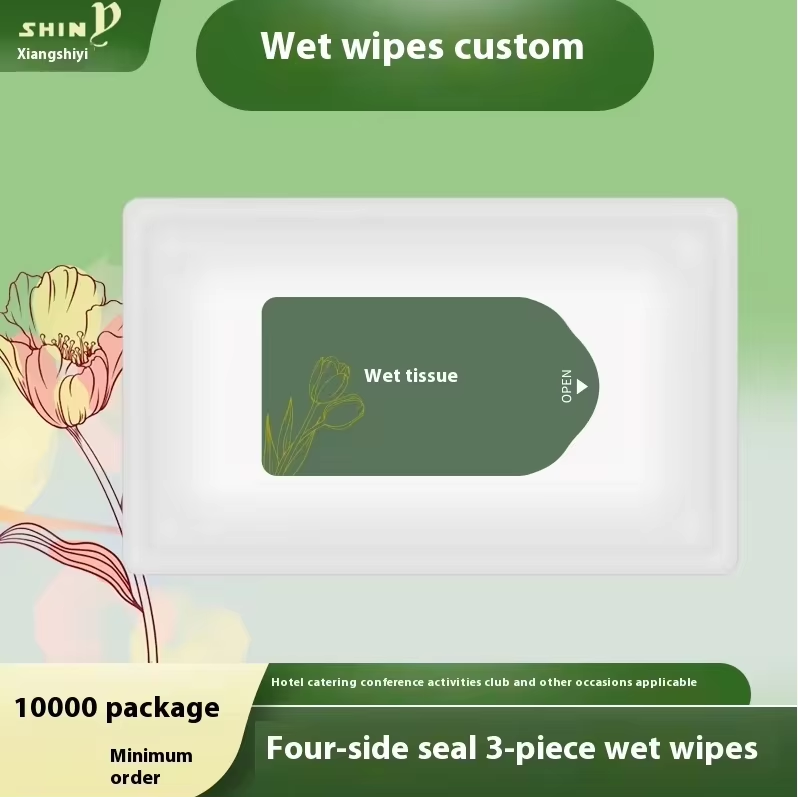
The engineering behind moisture retention in wet wipes centers on advanced sealing technology that creates an impermeable barrier against environmental factors. A four sided sealed wet towel employs comprehensive edge sealing across all four perimeters of the packaging, fundamentally changing how these products maintain their intended moisture content and prevent unwanted liquid escape during storage, transport, and use.
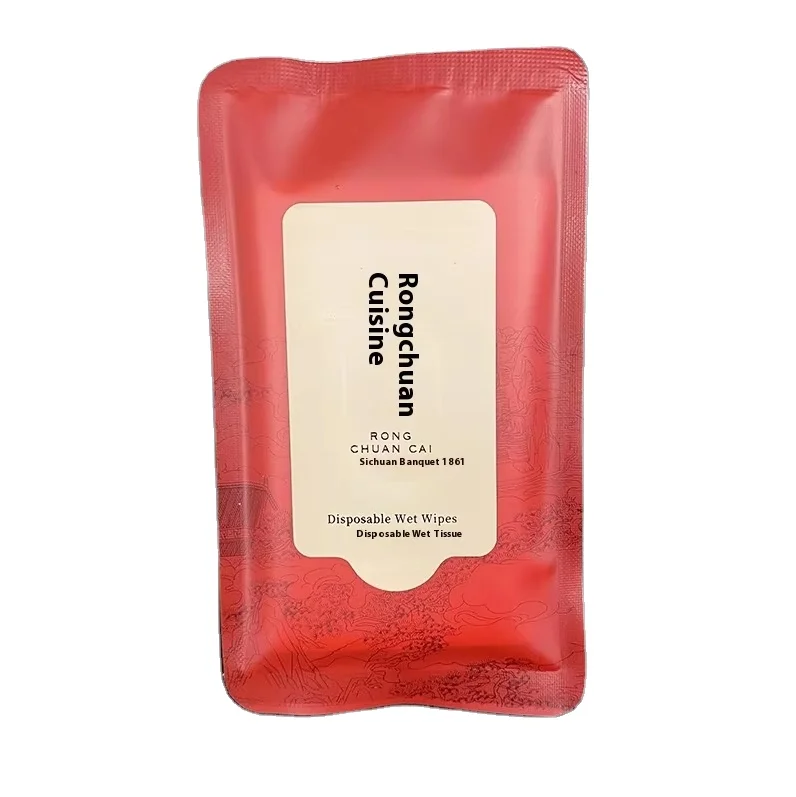
Understanding the mechanics of four-sided sealing technology requires examining the specific physical and chemical processes that occur when packaging materials are bonded together under controlled conditions. This comprehensive sealing approach addresses the primary failure points found in traditional wet wipe packaging, where moisture loss and leakage typically occur through inadequately sealed edges or corner vulnerabilities that compromise product integrity over time.
The Science Behind Four-Sided Sealing Technology
Thermal Bonding Process and Material Integration
The creation of a four sided sealed wet towel begins with precise thermal bonding processes that fuse packaging materials at the molecular level. Heat sealing equipment applies controlled temperature and pressure across all four edges simultaneously, creating uniform seal widths that eliminate potential weak points. This process typically involves temperatures between 150-200 degrees Celsius, applied for specific durations that ensure complete material fusion without compromising the packaging film's barrier properties.
Modern four sided sealed wet towel manufacturing utilizes multi-layer laminated films that combine polyethylene, polypropylene, and specialized barrier materials. These composite structures provide enhanced puncture resistance while maintaining flexibility needed for consumer handling. The thermal bonding process creates intermolecular chains between polymer layers, resulting in seal strengths that often exceed the tensile strength of the base packaging material itself.
Quality control during the sealing process involves continuous monitoring of temperature distribution, dwell time, and pressure application to ensure consistent results. Advanced sealing equipment incorporates feedback systems that adjust parameters in real-time, compensating for variations in material thickness or ambient conditions that could affect seal integrity.
Barrier Film Properties and Moisture Retention
The effectiveness of four sided sealed wet towel packaging relies heavily on the barrier properties of the selected film materials. Moisture vapor transmission rates (MVTR) for high-quality sealing films typically range from 0.1 to 0.5 grams per square meter per 24 hours, representing exceptional resistance to moisture migration. These low transmission rates ensure that the internal moisture content remains stable throughout the product's intended shelf life.
Oxygen transmission rates (OTR) also play a critical role in preserving the efficacy of antimicrobial solutions commonly found in wet wipes. Four-sided sealing creates an oxygen barrier that prevents degradation of active ingredients, maintaining the product's cleaning and disinfecting properties. The combination of low MVTR and OTR values creates an optimal preservation environment within the sealed package.
Film selection for four sided sealed wet towel applications considers factors including chemical compatibility with cleaning solutions, temperature stability during storage, and mechanical properties that prevent cracking or delamination under stress. Advanced barrier films incorporate nanoparticle additives that further enhance impermeability while maintaining optical clarity for product visibility.
Mechanisms of Drying Prevention
Vapor Pressure Equilibrium Control
The prevention of drying in a four sided sealed wet towel depends on maintaining vapor pressure equilibrium within the sealed environment. When all four edges are properly sealed, the internal atmosphere reaches saturation point, where the rate of moisture evaporation from the towel equals the rate of condensation back onto the surface. This equilibrium prevents net moisture loss and maintains the towel's hydration level indefinitely under proper storage conditions.
Temperature fluctuations can disrupt vapor pressure equilibrium, but four-sided sealing provides sufficient containment to accommodate normal storage temperature variations. The sealed environment acts as a closed system where moisture cannot escape, ensuring that any evaporation due to temperature increases will result in condensation when temperatures normalize, returning moisture to the towel.
Humidity control within the sealed package also contributes to drying prevention. The initial packaging process typically occurs in controlled environments where relative humidity levels are optimized for long-term storage. Four sided sealed wet towel packaging maintains these optimal conditions throughout the product lifecycle, preventing the moisture loss that occurs in conventional packaging exposed to varying environmental humidity.
Solvent Retention and Active Ingredient Stability
Beyond water retention, four sided sealed wet towel packaging preserves the complete solution formulation, including surfactants, emulsifiers, and active cleaning agents. The comprehensive sealing prevents the selective evaporation of volatile components that could alter the solution's cleaning effectiveness or leave behind residues that affect towel performance.
Alcohol-based sanitizing solutions benefit significantly from four-sided sealing technology, as ethanol and isopropanol have high vapor pressures that lead to rapid evaporation in inadequately sealed packages. The complete perimeter seal creates an effective barrier against alcohol loss, maintaining the antimicrobial efficacy required for sanitizing applications.
Fragrance retention represents another advantage of four-sided sealing, where aromatic compounds that enhance user experience are preserved throughout the storage period. The sealed environment prevents the migration of fragrance molecules that typically escape through packaging gaps or permeable materials in conventional wet wipe packaging.
Leakage Prevention Mechanisms
Stress Distribution and Package Integrity
Leakage prevention in four sided sealed wet towel packaging results from superior stress distribution across the entire package perimeter. Traditional packaging often concentrates stress at specific points, particularly corners where two seal lines meet, creating vulnerability to failure under pressure or impact. Four-sided sealing eliminates these stress concentration points by creating continuous, uniform seal zones that distribute mechanical forces evenly.
The engineering principle behind this approach involves creating redundant sealing zones where multiple layers of material overlap and bond together. This redundancy ensures that even if minor damage occurs to the outer seal layer, interior barriers maintain package integrity. The result is a four sided sealed wet towel package that withstands handling stresses that would compromise conventional packaging.
Package design optimization involves calculating the expected stress patterns during transportation, storage, and consumer handling. Four-sided sealing accommodates these stress patterns by providing structural reinforcement at critical areas while maintaining flexibility needed for normal use. Advanced packaging designs incorporate stress relief features that redirect forces away from potential failure points.
Pressure Resistance and Impact Protection
The superior pressure resistance of four sided sealed wet towel packaging stems from the structural integrity created by complete perimeter bonding. When subjected to external pressure, the sealed package distributes forces across the entire surface area rather than concentrating stress at unsealed edges or weak points. This distribution significantly increases the package's resistance to crushing, puncture, and impact damage.
Testing protocols for pressure resistance typically involve subjecting packages to standardized compression forces while monitoring for seal failure or leakage. Four-sided sealed packages consistently demonstrate higher failure thresholds compared to conventional packaging, often withstanding pressures exceeding those encountered in normal distribution and storage environments.
Impact resistance testing reveals similar advantages, where four-sided sealing provides enhanced protection against sudden mechanical shocks that could cause seal separation or package rupture. The continuous sealing creates a more robust structure that maintains integrity even when subjected to rough handling during transportation or storage operations.
Quality Control and Testing Procedures
Seal Integrity Verification Methods
Comprehensive quality control for four sided sealed wet towel production involves multiple testing methods that verify seal integrity and barrier performance. Burst testing applies gradually increasing internal pressure until package failure occurs, establishing the pressure threshold for seal integrity. High-quality four-sided seals typically withstand pressures several times greater than those encountered during normal handling and storage.
Dye penetration testing provides visual verification of seal completeness by applying colored solutions to sealed edges and monitoring for penetration through potential gaps or imperfections. This non-destructive testing method allows quality control teams to identify and correct sealing issues before products reach distribution channels.
Vacuum testing subjects sealed packages to reduced atmospheric pressure, simulating conditions that could occur during air transport or high-altitude storage. Four sided sealed wet towel packages that pass vacuum testing demonstrate superior barrier properties and structural integrity under challenging environmental conditions.
Long-Term Performance Monitoring
Accelerated aging tests evaluate the long-term performance of four sided sealed wet towel packaging under controlled conditions that simulate extended storage periods. These tests involve exposing sealed packages to elevated temperatures, humidity cycles, and UV radiation while monitoring for changes in moisture content, seal integrity, and barrier properties.
Shelf-life validation studies track moisture retention rates over extended periods, typically spanning 12-24 months under various storage conditions. Data from these studies confirm that properly sealed four-sided packages maintain moisture levels within acceptable ranges throughout their intended shelf life, while conventional packaging often shows significant moisture loss within weeks or months.
Statistical process control methods continuously monitor sealing parameters during production, ensuring consistent quality and identifying potential issues before they affect product performance. These monitoring systems track temperature profiles, pressure applications, and material feed rates to maintain optimal sealing conditions for every four sided sealed wet towel produced.
FAQ
How long can moisture be retained in four-sided sealed wet towels?
Four-sided sealed wet towels can maintain their moisture content for 18-24 months when stored under proper conditions. The comprehensive sealing creates a vapor barrier that prevents moisture loss, maintaining the towel's effectiveness throughout its shelf life. Factors such as storage temperature, packaging material quality, and initial moisture content influence the exact retention period.
What makes four-sided sealing more effective than three-sided sealing?
Four-sided sealing eliminates the open edge present in three-sided packaging, which represents the primary pathway for moisture loss and contamination entry. The complete perimeter seal creates a closed system that maintains vapor pressure equilibrium and prevents external air exchange, resulting in superior moisture retention and longer product shelf life compared to partial sealing methods.
Can four-sided sealed wet towels withstand temperature variations during shipping?
Yes, four-sided sealed wet towels are engineered to withstand normal shipping temperature variations without compromising seal integrity or moisture content. The sealed environment accommodates thermal expansion and contraction while maintaining barrier properties. However, extreme temperature exposure beyond manufacturer specifications may affect package performance and should be avoided.
Are there any limitations to four-sided sealing technology?
While four-sided sealing provides superior protection, it requires specialized equipment and precise process control, which can increase manufacturing costs compared to simpler sealing methods. The technology also demands high-quality packaging materials and skilled operators to achieve consistent results. Additionally, once sealed, the package cannot be resealed if opened, requiring consumers to use the entire contents relatively quickly after opening.