 EN
EN
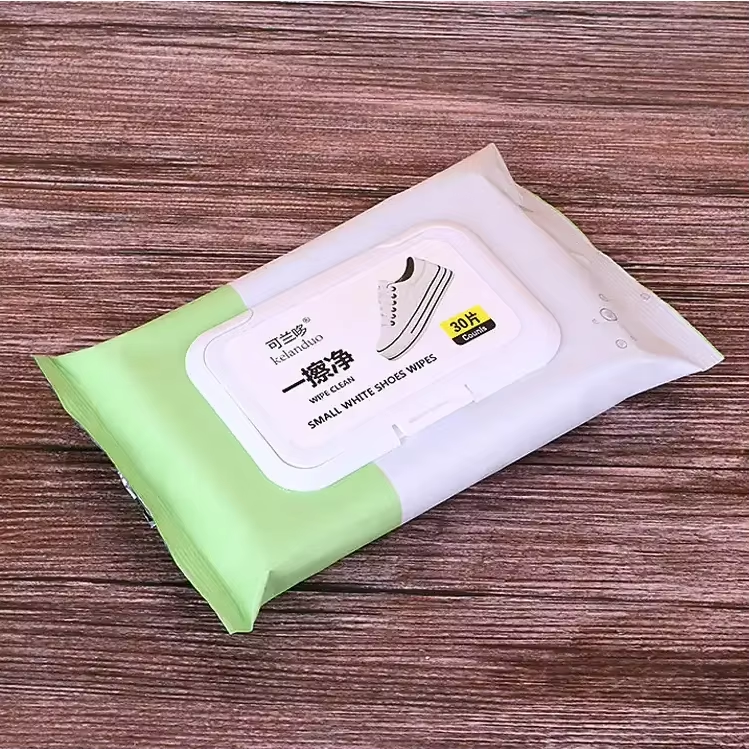
For eco-conscious brands, choosing the right shoeshine wipes is no longer just a product decision — it is a brand values decision. Consumers today pay close attention to how companies approach sustainability, and the accessories bundled with footwear or offered at retail counters are part of that scrutiny. Biodegradable shoeshine wipes have emerged as a practical solution that bridges convenience with environmental responsibility. Getting the selection criteria right, however, requires understanding materials, certifications, formulation, and supplier capabilities in detail.
This guide walks through the key factors that matter when sourcing biodegradable shoeshine wipes for an eco-conscious brand. Whether you are a footwear retailer, a hospitality brand equipping guest rooms, or a private-label business building a sustainable product line, the decisions you make around shoeshine wipes directly affect your brand perception, compliance profile, and customer loyalty. The right shoeshine wipes should clean effectively, biodegrade responsibly, and carry branding that reinforces your environmental commitment.
Material Selection for Biodegradable Shoeshine Wipes
Substrate Choices That Actually Biodegrade
The substrate — the physical sheet material of shoeshine wipes — is the most important factor in determining whether a product is genuinely biodegradable. Many conventional shoeshine wipes are made from polyester-based nonwoven fabrics, which do not biodegrade within any meaningful timeframe. Truly biodegradable shoeshine wipes are made from plant-derived materials such as viscose, bamboo fiber, wood pulp cellulose, or spunlace cotton. These substrates break down naturally in composting or landfill conditions without leaving microplastic residues behind.
When evaluating shoeshine wipes, always request substrate composition data from your supplier. A product labeled as 'eco-friendly' is not automatically biodegradable. Ask specifically whether the wipe substrate is 100% natural fiber or a blend. Blended substrates that include synthetic fibers may not biodegrade fully. For brands that want to make credible environmental claims about their shoeshine wipes, a 100% natural fiber substrate is the safest and most defensible choice.
Formulation and Chemical Safety
Biodegradable shoeshine wipes must also carry a cleaning formulation that aligns with eco-conscious values. The lotion or solution saturating the wipe should be free from harsh solvents, synthetic fragrances, parabens, and phosphates. Plant-based surfactants, natural conditioning agents, and biodegradable emulsifiers are the standard ingredients found in responsible shoeshine wipes formulations. These components clean and condition leather, canvas, or synthetic shoe surfaces without leaving toxic residues in water systems after disposal.
A critical point often overlooked by buyers is that a biodegradable substrate paired with a non-biodegradable chemical formula does not qualify as a fully sustainable product. For eco-conscious brands, shoeshine wipes need to be evaluated holistically — both the sheet and the solution must meet environmental standards. Request a full ingredient list and, where possible, a safety data sheet before committing to a production run of shoeshine wipes.
Certifications and Compliance Standards
Third-Party Certifications That Matter
Certifications provide third-party verification that your shoeshine wipes meet defined environmental benchmarks. The most relevant certifications for biodegradable shoeshine wipes include OK Biobased, TUV-certified compostability standards, OEKO-TEX Standard 100 for chemical safety, and FSC certification for wood-pulp or bamboo fiber sourcing. Each of these certifications validates a different dimension of the product's eco-credentials. For brands that make public sustainability commitments, certified shoeshine wipes reduce the risk of greenwashing accusations and strengthen consumer trust.
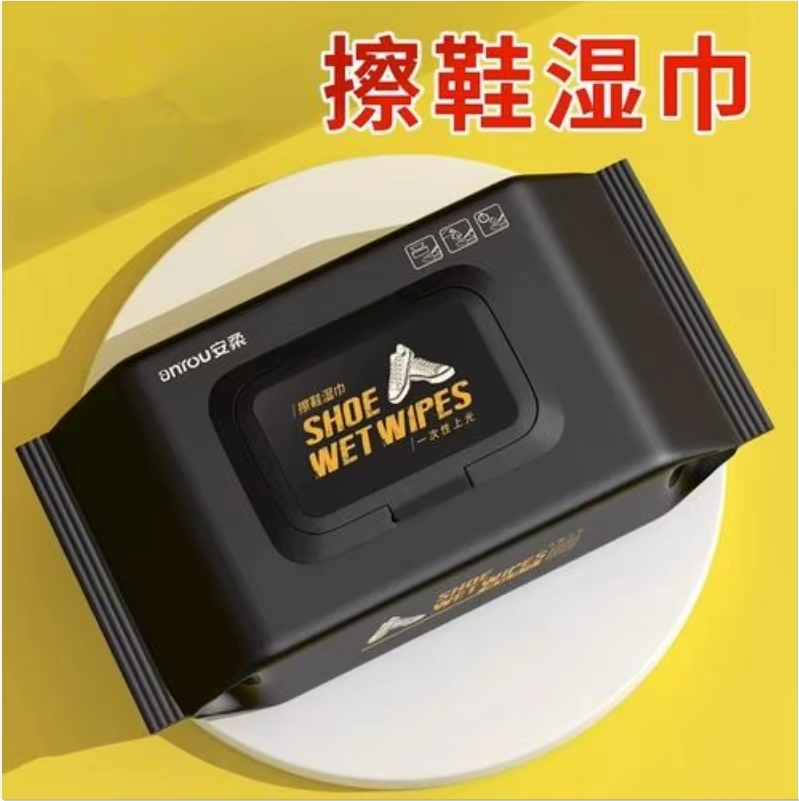
It is also worth checking whether your supplier's manufacturing facility holds ISO 14001 environmental management certification. Shoeshine wipes produced in an ISO 14001-certified facility are made under controlled environmental conditions that minimize waste and pollution throughout the production process. This adds another credible layer to the sustainability story you can tell about your shoeshine wipes.
Regional Regulatory Alignment
If your brand operates across multiple markets, you need to confirm that your shoeshine wipes comply with the specific regulations of each target region. The European Union has strict single-use plastics directives that affect wet wipe products. Markets in North America and Australia also have evolving guidelines around biodegradability claims and labeling. Shoeshine wipes sold in the EU, for example, must clearly disclose fiber composition to comply with current and upcoming wet wipe regulations. Working with a supplier who understands these regional requirements will save your brand from costly reformulation or relabeling later.
Custom Branding and Packaging for Eco-Conscious Positioning
Packaging That Reflects Your Brand Values
For eco-conscious brands, the packaging of shoeshine wipes is as important as the wipe itself. Single-use plastic foil sachets are increasingly inconsistent with a sustainable brand image. Biodegradable or recyclable sachets made from kraft paper, compostable film, or FSC-certified materials project a consistent environmental message. If your shoeshine wipes are packaged in a multi-count box or card format, ensure the outer packaging is also made from recycled or responsibly sourced materials. Every touchpoint matters to today's environmentally aware consumer.
Custom printed packaging allows you to communicate your eco-story directly on the shoeshine wipes packaging. Certifications, fiber sources, disposal instructions, and brand sustainability messaging can all be incorporated into the label design. Suppliers that offer low-minimum custom orders of shoeshine wipes give emerging eco-brands the flexibility to test the market without over-committing on inventory. Discuss minimum order quantities, lead times, and packaging customization options early in your supplier evaluation process.
Performance Consistency Across Shoe Types
A sustainable product must still perform reliably. Shoeshine wipes designed for eco-conscious brands should clean and condition leather dress shoes, protect canvas sneakers, and refresh synthetic sports shoe uppers without causing discoloration or residue. Request product samples and conduct material compatibility tests across the shoe types relevant to your target customer. Shoeshine wipes that underperform frustrate customers regardless of their environmental credentials, so performance validation is non-negotiable before finalizing your supplier choice.
FAQ
Are all biodegradable shoeshine wipes safe for leather shoes?
Not all biodegradable shoeshine wipes are formulated for leather. Some use cleaning agents that may dry out or discolor delicate leather surfaces. Always confirm with your supplier that the shoeshine wipes formula has been tested on genuine and synthetic leather before use on high-value footwear.
How do I verify that shoeshine wipes are genuinely biodegradable?
Request substrate composition documentation and third-party biodegradability test reports from your supplier. Certifications such as TUV OK Compost or OK Biobased provide independent verification. Be cautious of shoeshine wipes that only carry vague 'eco-friendly' labeling without supporting documentation.
What minimum order quantities are typical for custom biodegradable shoeshine wipes?
Minimum order quantities for custom shoeshine wipes vary by supplier, but many factories specializing in eco wet wipes offer MOQs starting from 10,000 packs. This makes it feasible for mid-size eco-conscious brands to launch custom biodegradable shoeshine wipes without requiring extremely large upfront investment.