 EN
EN

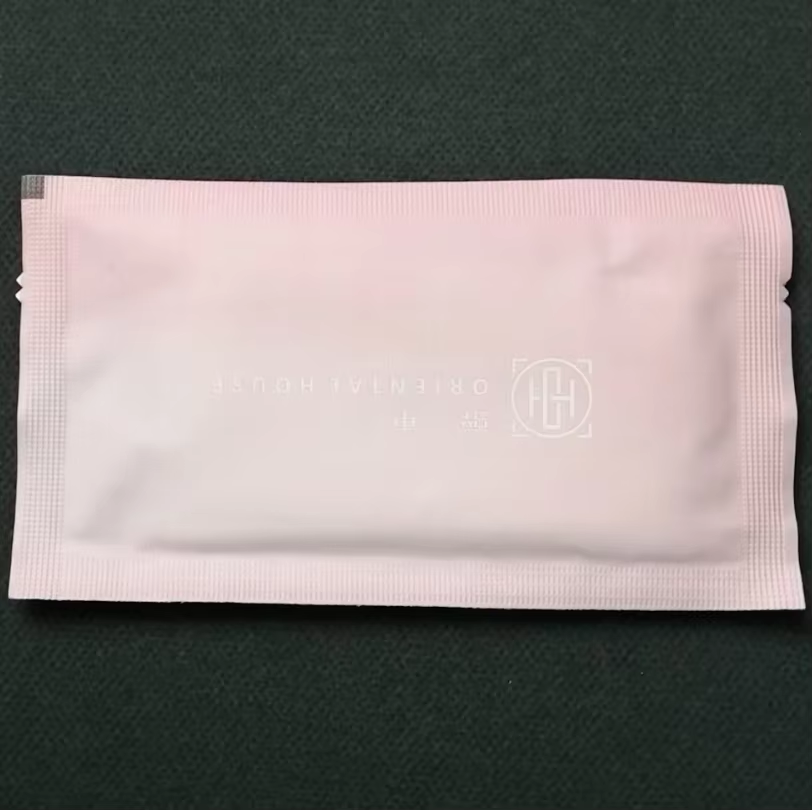
The integrity of wet wipes depends entirely on moisture retention and contamination prevention, making the sealing technology the most critical factor determining product freshness from manufacturing to final use. Understanding why sealed wipes maintain their effectiveness throughout their entire lifecycle requires examining the science behind moisture barrier technology, contamination prevention mechanisms, and the specific engineering principles that protect product integrity. This comprehensive analysis reveals how proper sealing transforms ordinary wet wipes into reliable hygiene solutions that deliver consistent performance regardless of storage duration or environmental conditions.
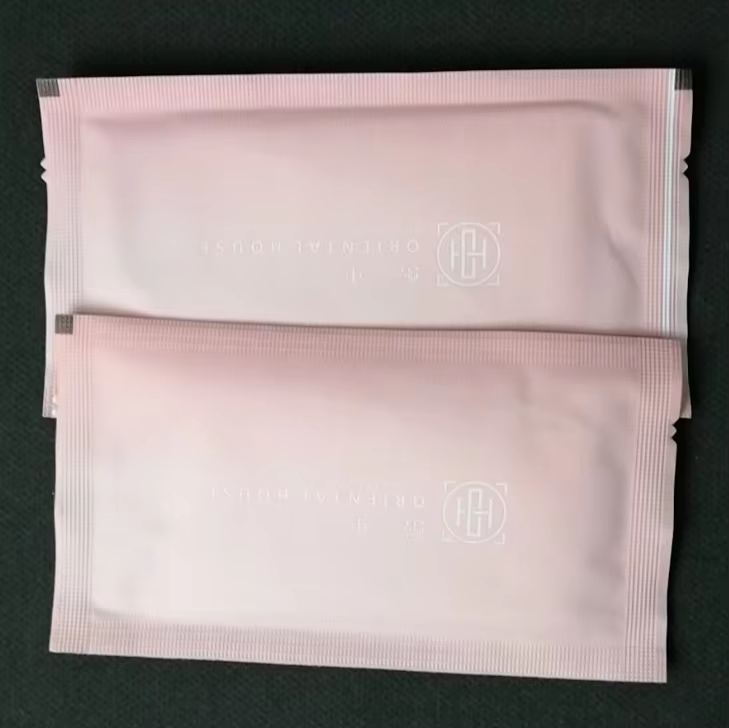
The fundamental reason sealed wipes guarantee freshness lies in their ability to create an impermeable barrier that prevents moisture loss while simultaneously blocking external contamination pathways. This dual protection system ensures that the cleaning solution concentration remains stable, the substrate maintains optimal texture, and microbial contamination risks are eliminated. The sophisticated engineering behind sealed wipes involves multiple barrier layers, precision sealing techniques, and materials science innovations that work together to preserve product quality until the package is completely empty.
Moisture Retention Technology in Sealed Wipes
Multi-Layer Barrier Construction
The effectiveness of sealed wipes begins with their sophisticated packaging structure, which typically incorporates multiple barrier layers designed to prevent moisture migration. These layers include aluminum foil barriers, polymer films with low water vapor transmission rates, and specialized adhesive systems that create hermetic seals. The combination of these materials creates a moisture-tight environment that maintains the original liquid content throughout the product's shelf life, ensuring that each wipe contains the same amount of cleaning solution as when first manufactured.
Advanced sealed wipes utilize materials with water vapor transmission rates as low as 0.05 grams per square meter per day, which represents a near-perfect moisture barrier. This exceptional performance is achieved through the careful selection of barrier films, often incorporating metallized polyester or aluminum foil laminated to polyethylene or polypropylene substrates. The precise engineering of these barrier systems ensures that even after months of storage, the final wipe in the package retains the same moisture content and cleaning effectiveness as the first wipe used.
Precision Sealing Techniques
The sealing process for high-quality sealed wipes involves heat sealing, ultrasonic welding, or adhesive bonding techniques that create permanent, tamper-evident closures. These sealing methods must achieve complete edge closure while maintaining package integrity under various stress conditions including temperature fluctuations, physical handling, and storage pressures. The precision required for effective sealing means that even microscopic gaps or imperfections can compromise the entire moisture retention system.
Modern sealed wipes manufacturing employs continuous monitoring systems that verify seal integrity through pressure testing, dye penetration analysis, and vacuum leak detection. This quality control ensures that every package maintains its moisture barrier properties throughout distribution and storage. The sealing process also incorporates burst strength testing to verify that packages can withstand normal handling stresses without compromising their protective barriers.
Contamination Prevention Mechanisms
Sterile Environment Maintenance
Sealed wipes create a sterile microenvironment that prevents bacterial, fungal, and viral contamination from external sources. Once properly sealed, the internal environment remains isolated from atmospheric contaminants, preventing the growth of harmful microorganisms that could compromise product safety or effectiveness. This sterile environment is established during manufacturing through controlled atmosphere packaging and maintained throughout the product lifecycle through the integrity of the seal barrier.
The contamination prevention capability of sealed wipes extends beyond simple barrier protection to include antimicrobial packaging materials and controlled atmosphere systems. Some advanced formulations incorporate oxygen scavengers or nitrogen flushing during the sealing process to create an environment hostile to aerobic bacteria and oxidation processes that could degrade the cleaning solution or substrate materials.
Chemical Stability Protection
The sealed environment protects the chemical composition of cleaning solutions from degradation caused by exposure to oxygen, light, and environmental contaminants. Many cleaning agents and antimicrobial compounds are sensitive to oxidation or photodegradation, which can reduce their effectiveness over time. Sealed wipes packaging incorporates light barriers and oxygen-impermeable materials that maintain chemical stability throughout the product's intended shelf life.
Chemical stability in sealed wipes is further enhanced through the use of chelating agents and stabilizers in the cleaning solution formulation, combined with packaging materials that prevent UV light penetration and minimize oxygen exposure. This comprehensive protection system ensures that active ingredients maintain their specified concentrations and effectiveness until the package is completely depleted, regardless of storage duration or environmental conditions.
Engineering Principles Behind Freshness Guarantee
Equilibrium Moisture Management
The engineering design of sealed wipes creates a closed system where moisture equilibrium is maintained between the liquid solution, the substrate material, and the vapor phase within the package. This equilibrium prevents moisture migration that could result in some wipes becoming oversaturated while others dry out. The precise calculation of liquid-to-substrate ratios ensures optimal moisture distribution throughout the package contents.
Equilibrium moisture management in sealed wipes requires careful consideration of substrate absorption characteristics, package void volume, and vapor pressure dynamics. Advanced formulations account for temperature-dependent moisture migration patterns and incorporate hygroscopic agents that help maintain consistent moisture distribution even under varying storage conditions. This engineering approach ensures that the final wipe in a package maintains the same tactile properties and cleaning effectiveness as the initial wipes.
Pressure Differential Control
Sealed wipes packages are engineered to maintain slight positive pressure that prevents atmospheric infiltration while accommodating normal temperature and altitude variations. This pressure control system prevents package collapse that could damage individual wipes while maintaining the protective barrier against external contamination. The pressure differential is carefully calibrated to ensure package stability without creating excessive stress on sealing systems.
The pressure management system in sealed wipes incorporates flexible packaging materials that can accommodate volume changes without compromising seal integrity. This engineering consideration prevents the formation of vacuum conditions that could draw atmospheric moisture into the package while maintaining sufficient internal pressure to prevent microbial infiltration through potential microscopic seal defects.
Quality Assurance and Performance Validation
Accelerated Aging Testing
The freshness guarantee of sealed wipes is validated through accelerated aging protocols that simulate extended storage conditions in compressed timeframes. These testing procedures subject sealed wipes to elevated temperatures, humidity cycling, and mechanical stress to verify that moisture retention and contamination resistance remain effective throughout the predicted shelf life. Accelerated aging testing provides empirical evidence that supports freshness claims.
Comprehensive testing programs for sealed wipes include microbial challenge studies, moisture loss measurements, and chemical stability analysis conducted at regular intervals throughout accelerated aging cycles. These validation protocols ensure that sealed wipes maintain their cleaning effectiveness, antimicrobial properties, and physical characteristics until the package is completely empty, providing scientific basis for freshness guarantees.
Real-Time Monitoring Systems
Advanced sealed wipes manufacturing incorporates real-time monitoring systems that track critical parameters including seal integrity, moisture content, and contamination levels during production and packaging processes. These monitoring systems provide immediate feedback that enables rapid correction of any deviations from optimal sealing conditions, ensuring consistent quality across all produced packages.
The monitoring systems for sealed wipes extend beyond production to include distribution and storage tracking through intelligent packaging technologies. Some premium sealed wipes incorporate moisture-sensitive indicators or time-temperature integrators that provide visual confirmation of package integrity and storage condition compliance throughout the supply chain.
Industry Applications and Performance Standards
Healthcare and Medical Applications
In healthcare environments, sealed wipes must meet stringent sterility and effectiveness standards that require guaranteed freshness throughout their intended use period. Medical-grade sealed wipes undergo additional validation testing including cytotoxicity analysis, biocompatibility assessment, and antimicrobial efficacy verification to ensure patient safety and treatment effectiveness. The freshness guarantee becomes a critical safety requirement rather than simply a quality preference.
Healthcare applications of sealed wipes require specialized sealing technologies that maintain sterility while accommodating frequent access during patient care procedures. Advanced medical sealed wipes incorporate resealable closure systems that maintain moisture retention and contamination prevention even after initial package opening, extending the freshness guarantee throughout the clinical use period.
Industrial and Commercial Standards
Industrial applications of sealed wipes demand consistent cleaning performance across extended storage periods and challenging environmental conditions. The freshness guarantee must withstand temperature extremes, humidity variations, and mechanical stresses encountered in manufacturing, maintenance, and cleaning operations. Industrial-grade sealed wipes incorporate enhanced barrier materials and sealing systems specifically designed for demanding operational environments.
Commercial standards for sealed wipes establish minimum performance requirements for moisture retention, contamination resistance, and cleaning effectiveness that must be maintained throughout the product lifecycle. These standards provide benchmarks for freshness guarantee claims and establish testing protocols that verify performance under realistic use conditions.
FAQ
How long do sealed wipes maintain their freshness compared to unsealed alternatives?
Properly sealed wipes can maintain their original moisture content and cleaning effectiveness for 24 to 36 months when stored under appropriate conditions, while unsealed wipes typically begin losing effectiveness within days or weeks of exposure to atmospheric conditions. The sealed packaging creates a controlled environment that prevents moisture loss and contamination, extending usable life by more than ten times compared to unsealed alternatives.
What happens to the sealing integrity if the package is damaged during storage or transport?
Any damage to the sealed wipes packaging that compromises the barrier layer will result in rapid moisture loss and potential contamination, typically within 24 to 48 hours depending on environmental conditions. Modern sealed wipes packages incorporate visual damage indicators and are designed with multiple protective layers, so minor surface scratches usually do not affect sealing integrity, but punctures or tears require immediate use of the affected package.
Can sealed wipes maintain effectiveness in extreme temperature conditions?
High-quality sealed wipes are engineered to maintain their freshness guarantee across temperature ranges from -10°C to 50°C through specialized barrier materials and flexible sealing systems that accommodate thermal expansion and contraction. However, prolonged exposure to temperatures outside this range may compromise seal integrity or cause chemical degradation of cleaning agents, potentially affecting the freshness guarantee.
How can users verify that sealed wipes have maintained their freshness throughout storage?
Users can verify sealed wipes freshness by checking for package integrity, confirming that individual wipes maintain proper moisture content and flexibility, and verifying that the cleaning solution has not changed color or developed unusual odors. Many sealed wipes packages include freshness indicators or expiration dating that provides additional verification of product integrity and expected performance levels.
Table of Contents
- Moisture Retention Technology in Sealed Wipes
- Contamination Prevention Mechanisms
- Engineering Principles Behind Freshness Guarantee
- Quality Assurance and Performance Validation
- Industry Applications and Performance Standards
-
FAQ
- How long do sealed wipes maintain their freshness compared to unsealed alternatives?
- What happens to the sealing integrity if the package is damaged during storage or transport?
- Can sealed wipes maintain effectiveness in extreme temperature conditions?
- How can users verify that sealed wipes have maintained their freshness throughout storage?