 EN
EN
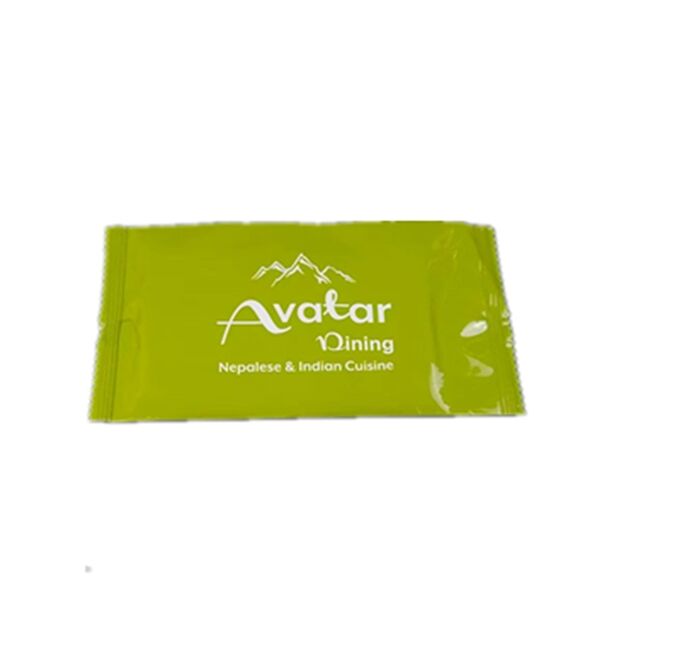
In today's competitive business landscape, companies constantly seek innovative ways to engage customers while providing practical value. Advertisement wipes have emerged as a powerful marketing tool that seamlessly blends functionality with brand promotion. These versatile promotional products offer businesses an opportunity to place their message directly into consumers' hands while delivering genuine utility. Unlike traditional advertising materials that often end up discarded, advertisement wipes serve a practical purpose that extends brand exposure well beyond the initial interaction.
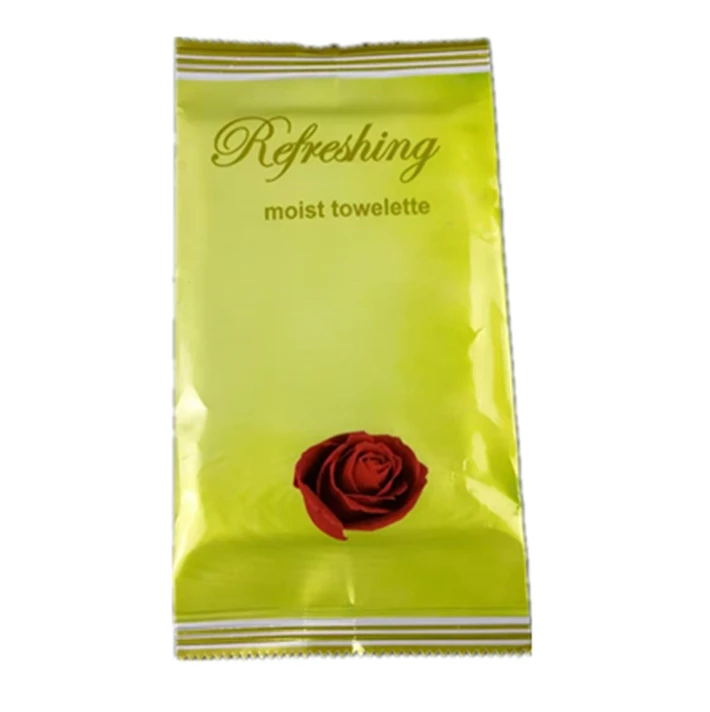
The concept of promotional cleaning products has evolved significantly over the past decade, with advertisement wipes leading the charge in practical marketing solutions. These compact, portable cleaning tools transform everyday hygiene needs into brand engagement opportunities. Whether distributed at trade shows, corporate events, or retail locations, advertisement wipes create lasting impressions while addressing genuine consumer needs for cleanliness and convenience.
The Strategic Value of Advertisement Wipes in Modern Marketing
Building Brand Recognition Through Daily Use
Advertisement wipes excel at creating repeated brand exposure through their inherent utility. Unlike traditional advertising materials that provide momentary visibility, these promotional products integrate seamlessly into consumers' daily routines. Each time someone reaches for an advertisement wipe to clean their hands, phone screen, or workspace, they encounter the branded message in a positive context. This repeated exposure builds brand familiarity and creates subconscious associations between the company and cleanliness, care, and attention to detail.
The psychological impact of useful promotional products extends far beyond simple brand recognition. When consumers receive advertisement wipes that genuinely solve everyday problems, they develop positive associations with the distributing brand. This emotional connection translates into increased brand loyalty and purchase consideration. Research in consumer behavior consistently demonstrates that practical promotional products generate higher retention rates and more favorable brand perceptions compared to purely decorative items.
Cost-Effective Marketing with Measurable Impact
From a financial perspective, advertisement wipes offer exceptional return on investment compared to traditional advertising channels. The production costs remain relatively low, especially when ordered in bulk quantities, while the extended lifespan of each promotional unit maximizes exposure duration. Unlike digital advertisements that disappear after brief moments or printed materials that quickly become outdated, advertisement wipes continue delivering brand messages throughout their useful life.
Marketing professionals appreciate the trackable nature of advertisement wipe campaigns. Distribution at specific events or locations allows companies to measure engagement rates and assess campaign effectiveness. The tangible nature of these promotional products enables precise tracking of distribution quantities, geographic reach, and demographic targeting. This data-driven approach helps companies optimize future marketing investments and refine their promotional strategies.
Design Innovation and Customization Opportunities
Creative Packaging Solutions
Modern advertisement wipes benefit from innovative packaging technologies that enhance both functionality and visual appeal. Individual packaging options allow for detailed branding while maintaining product hygiene and portability. Companies can incorporate full-color printing, embossed logos, and even QR codes that link to digital content or special offers. The compact size of advertisement wipes packaging makes them ideal for creative die-cut shapes that reinforce brand identity or product messaging.
Advanced printing techniques enable sophisticated graphic designs that rival traditional marketing materials in visual impact. Companies can incorporate gradient effects, metallic finishes, and spot varnishes to create premium-feeling promotional products that reflect brand quality. The packaging surface area, while compact, provides sufficient space for essential brand elements including logos, taglines, contact information, and social media handles.
Fragrance and Formula Customization
Beyond visual customization, advertisement wipes offer unique sensory branding opportunities through fragrance selection and formula optimization. Companies can develop signature scents that reinforce brand identity and create memorable sensory experiences. Popular fragrance options include fresh citrus for technology companies, lavender for wellness brands, or subtle vanilla for hospitality businesses. These olfactory elements add another dimension to brand recognition and help advertisement wipes stand out in consumers' memories.
Formula customization allows brands to align product functionality with their core values and target audience needs. Eco-conscious companies can specify biodegradable materials and natural ingredients, while healthcare organizations might emphasize antimicrobial properties. The ability to customize both the cleaning solution composition and material properties ensures that advertisement wipes accurately represent brand positioning and quality standards.
Strategic Distribution and Campaign Implementation
Event Marketing and Trade Show Applications
Trade shows and corporate events provide ideal venues for advertisement wipe distribution due to their high-traffic nature and engaged audiences. These environments naturally create opportunities for meaningful brand interactions, as attendees actively seek useful promotional items. Advertisement wipes excel in trade show settings because they address immediate needs in often crowded, high-touch environments where cleanliness concerns are heightened.
Event-specific customization opportunities allow companies to create targeted messaging that resonates with specific audiences. For technology conferences, advertisement wipes might emphasize screen-cleaning capabilities with messaging about clarity and precision. Healthcare events could focus on sanitation benefits, while hospitality trade shows might highlight refreshing fragrances and premium feel. This targeted approach maximizes relevance and increases the likelihood of post-event brand recall.
Retail Integration and Point-of-Sale Marketing
Retail environments offer unique opportunities for advertisement wipe integration that support both customer service and brand promotion. Placement near shopping carts, checkout areas, or product demonstration zones provides convenience while creating positive brand associations. Customers appreciate the practical value, especially in environments where they handle multiple products or interact with shared surfaces.
Strategic retail partnerships can extend advertisement wipe reach beyond direct customer interactions. Businesses can collaborate with complementary retailers to cross-promote products and services through strategically placed promotional wipes. For example, electronics retailers might distribute advertisement wipes from device protection companies, while fitness centers could offer wipes branded by sports nutrition companies. These partnerships create win-win scenarios that benefit all participating brands while providing genuine value to consumers.
Quality Standards and Manufacturing Considerations
Material Selection and Performance Specifications
The effectiveness of advertisement wipes depends heavily on material quality and performance characteristics. Premium non-woven fabrics provide superior cleaning performance while maintaining durability throughout use. The material selection process must balance cleaning effectiveness, moisture retention, and tactile feel to ensure positive user experiences that reflect well on the advertising brand.
Manufacturing specifications for advertisement wipes require careful attention to consistency and reliability. Each promotional unit must deliver predictable performance to maintain brand credibility. Quality control processes ensure that every advertisement wipe meets specified standards for moisture content, cleaning effectiveness, and packaging integrity. These technical considerations directly impact user satisfaction and, by extension, brand perception.
Regulatory Compliance and Safety Standards
Advertisement wipes must comply with various regulatory requirements depending on their intended use and distribution markets. Safety testing ensures that formulations are suitable for skin contact and environmental disposal. Regulatory compliance extends to labeling requirements, ingredient disclosures, and manufacturing facility certifications. Companies distributing advertisement wipes must verify that their promotional products meet all applicable safety and regulatory standards.
International distribution of advertisement wipes requires understanding diverse regulatory environments and cultural preferences. Different markets may have specific requirements for antimicrobial claims, environmental impact disclosures, or packaging materials. Successful global campaigns require careful coordination between marketing objectives and regulatory compliance across multiple jurisdictions.
Measuring Success and Optimizing Campaigns
Performance Metrics and ROI Analysis
Effective measurement of advertisement wipe campaigns requires establishing clear metrics that align with overall marketing objectives. Traditional metrics include distribution quantities, geographic reach, and demographic targeting accuracy. However, more sophisticated analysis examines brand recall rates, purchase intent changes, and long-term customer acquisition costs. These deeper insights help companies understand the true value of their promotional investments.
Digital integration opportunities enhance tracking capabilities for advertisement wipe campaigns. QR codes or unique promotional codes printed on packaging can link physical distribution to digital engagement metrics. This hybrid approach provides comprehensive data about customer journey progression from initial promotional contact through final purchase decisions. Advanced analytics platforms can correlate advertisement wipe distribution with subsequent online behavior and conversion events.
Continuous Improvement and Campaign Evolution
Successful advertisement wipe campaigns benefit from iterative improvement processes that incorporate user feedback and performance data. Regular evaluation of design effectiveness, distribution strategies, and user satisfaction levels enables ongoing optimization. Companies that systematically collect and analyze campaign data can identify successful elements for replication and areas requiring modification.
Market feedback mechanisms help companies refine their advertisement wipe offerings to better meet customer needs and preferences. Surveys, focus groups, and social media monitoring provide insights into user experiences and brand perception changes. This feedback loop ensures that promotional campaigns remain relevant and effective while adapting to evolving market conditions and consumer expectations.
Future Trends and Innovation Opportunities
Sustainable Materials and Eco-Friendly Formulations
Environmental consciousness increasingly influences consumer preferences and purchasing decisions, creating opportunities for eco-friendly advertisement wipes. Biodegradable materials, plant-based cleaning formulations, and recyclable packaging appeal to environmentally aware consumers while demonstrating corporate social responsibility. Companies that prioritize sustainability in their promotional products can differentiate themselves while appealing to growing market segments that value environmental stewardship.
Innovation in sustainable materials continues expanding options for environmentally responsible advertisement wipes. Bamboo fiber substrates, compostable packaging, and waterless formulations represent emerging technologies that reduce environmental impact. These sustainable alternatives often command premium pricing but deliver enhanced brand value through alignment with environmental values and regulatory trends favoring eco-friendly products.
Technology Integration and Smart Features
Emerging technologies create new possibilities for advertisement wipe functionality and user engagement. Antimicrobial coatings that provide extended protection, color-changing indicators that signal cleaning effectiveness, and even embedded sensors that track usage patterns represent the cutting edge of promotional product innovation. These advanced features can justify premium pricing while creating unique value propositions that distinguish brands in competitive markets.
Integration with mobile technology and digital platforms opens new avenues for advertisement wipe campaigns. Near-field communication chips embedded in packaging can trigger smartphone interactions, while augmented reality features activated by scanning promotional materials create immersive brand experiences. These technological enhancements transform simple cleaning products into interactive marketing tools that engage consumers across multiple sensory channels.
FAQ
What makes advertisement wipes more effective than traditional promotional products
Advertisement wipes provide practical utility that ensures repeated brand exposure through daily use, unlike decorative promotional items that may be discarded or stored away. Their cleaning functionality creates positive brand associations and addresses genuine consumer needs, leading to higher retention rates and more favorable brand perceptions. The compact, portable nature of advertisement wipes also increases the likelihood that consumers will carry and use them regularly.
How can companies customize advertisement wipes to reflect their brand identity
Companies can customize advertisement wipes through multiple design elements including full-color packaging graphics, embossed logos, custom fragrances, and specialized cleaning formulations. Die-cut packaging shapes, premium printing techniques like metallic finishes, and QR codes linking to digital content provide additional customization opportunities. The key is aligning all customization elements with brand values and target audience preferences to create cohesive promotional tools.
What distribution strategies work best for advertisement wipe campaigns
Effective distribution strategies focus on high-traffic environments where cleanliness is valued, such as trade shows, retail locations, healthcare facilities, and corporate events. Strategic placement near shopping carts, demonstration areas, or checkout counters maximizes visibility and usage likelihood. Partnerships with complementary businesses can extend reach, while targeted distribution based on demographic data ensures messages reach appropriate audiences.
How do companies measure the success of advertisement wipe marketing campaigns
Success measurement combines traditional metrics like distribution quantities and geographic reach with more sophisticated analysis including brand recall rates, purchase intent changes, and customer acquisition costs. Digital integration through QR codes or promotional codes enables tracking from initial contact through purchase decisions. Regular surveys and feedback collection provide insights into user satisfaction and brand perception changes, enabling continuous campaign optimization.
Table of Contents
- The Strategic Value of Advertisement Wipes in Modern Marketing
- Design Innovation and Customization Opportunities
- Strategic Distribution and Campaign Implementation
- Quality Standards and Manufacturing Considerations
- Measuring Success and Optimizing Campaigns
- Future Trends and Innovation Opportunities
-
FAQ
- What makes advertisement wipes more effective than traditional promotional products
- How can companies customize advertisement wipes to reflect their brand identity
- What distribution strategies work best for advertisement wipe campaigns
- How do companies measure the success of advertisement wipe marketing campaigns