 EN
EN
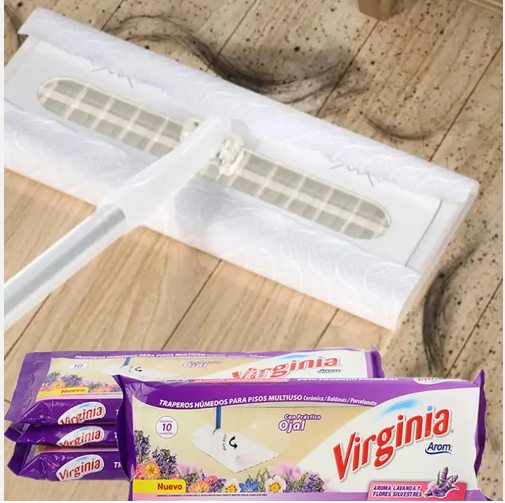
Modern floor cleaning has evolved significantly with the introduction of innovative cleaning solutions, and mop wet wipes represent a breakthrough in cleaning efficiency that addresses traditional mopping challenges. These specialized cleaning products combine the convenience of disposable wipes with the effectiveness of traditional mopping, creating a hybrid solution that streamlines the entire floor cleaning process while delivering superior results across various floor surfaces.
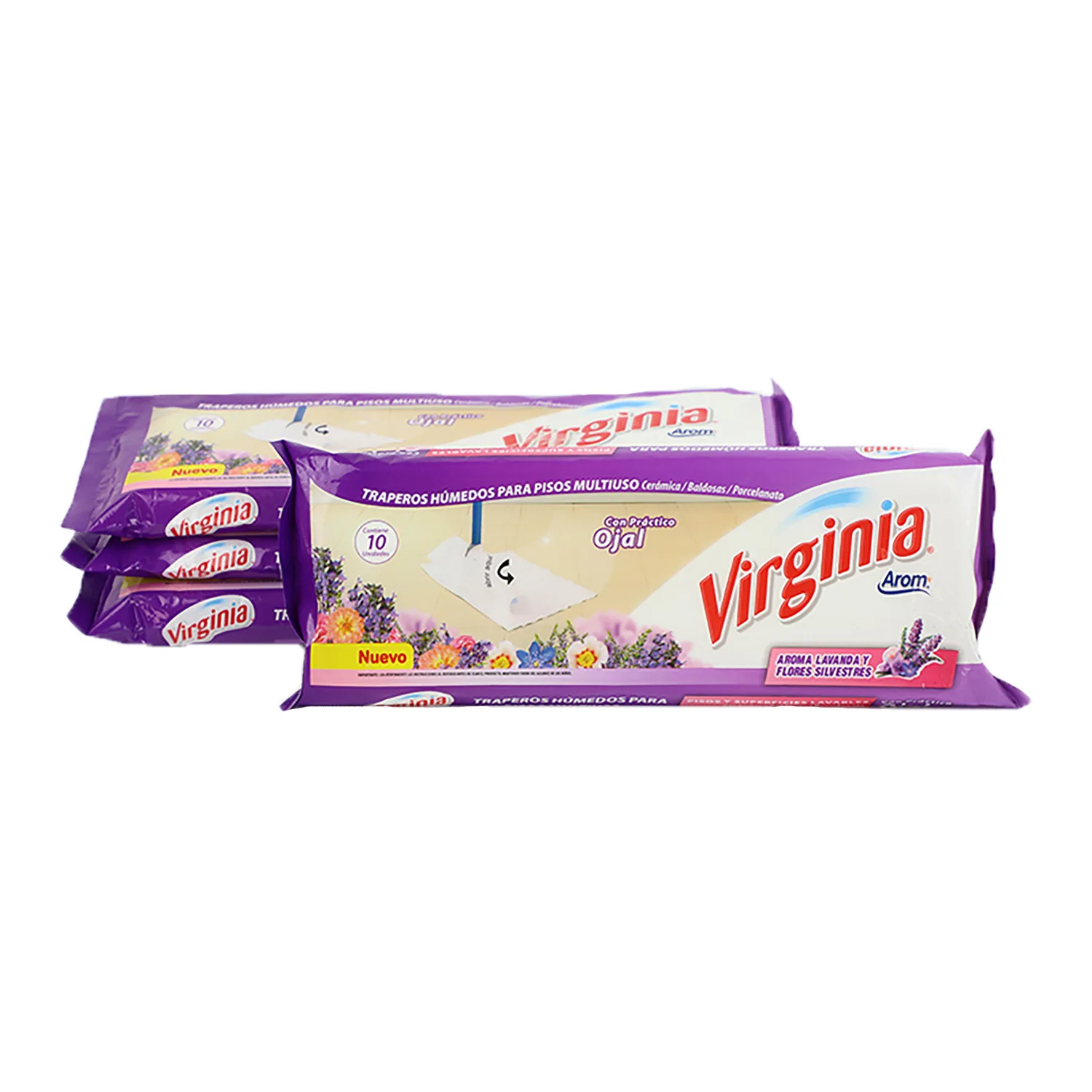
The mechanism behind how mop wet wipes enhance cleaning efficiency lies in their pre-moistened formulation and specialized fiber construction, which eliminates the need for separate cleaning solutions while providing consistent moisture distribution. Unlike conventional mopping systems that require bucket preparation, solution mixing, and frequent rinsing, mop wet wipes offer immediate readiness and sustained cleaning power throughout the cleaning session, dramatically reducing both preparation time and active cleaning duration.
Pre-Moistened Convenience and Immediate Deployment
Elimination of Preparation Time
Traditional mopping requires significant preparation including gathering supplies, filling buckets, measuring cleaning solutions, and preparing equipment. Mop wet wipes eliminate these preliminary steps entirely by providing ready-to-use cleaning surfaces that require no additional preparation or setup time. The pre-moistened design ensures optimal cleaning solution concentration without the guesswork involved in manual mixing ratios.
This immediate deployment capability proves especially valuable in commercial environments where cleaning efficiency directly impacts operational productivity. Facilities managers report time savings of up to 40% when switching from traditional mopping to mop wet wipes systems, primarily due to reduced preparation and cleanup requirements.
Consistent Moisture Distribution
The controlled moisture content in mop wet wipes ensures consistent cleaning performance across the entire floor surface without the moisture variation common in traditional mopping. Each wipe contains precisely measured cleaning solution that maintains effectiveness throughout the cleaning process, preventing the dilution issues that occur when mop buckets become contaminated with dirt and debris.
This consistency translates to more uniform cleaning results and reduces the need for multiple passes over heavily soiled areas. The optimized moisture level prevents over-wetting that can damage sensitive flooring materials while ensuring sufficient cleaning power for effective soil removal and surface sanitization.
Advanced Fiber Technology and Soil Capture
Enhanced Dirt Retention Capabilities
Modern mop wet wipes incorporate advanced fiber technologies that significantly improve soil capture and retention compared to traditional mop heads. The specialized fiber structure creates micro-pockets that trap dirt, dust, and debris more effectively, preventing the redistribution of contaminants that commonly occurs with conventional mopping systems.
The multi-layered construction of quality mop wet wipes provides both surface cleaning and deep penetration into textured floor surfaces. The outer layers handle initial soil pickup while inner absorption layers lock away moisture and contaminants, creating a one-way dirt transfer that maintains cleaning effectiveness throughout the entire cleaning session.
Optimal Surface Contact and Coverage
The flexible design of mop wet wipes allows for superior surface conformity, ensuring complete contact with floor irregularities, grout lines, and textured surfaces that traditional mop heads often miss. This enhanced surface contact directly translates to improved cleaning coverage and reduced missed spots that require additional attention.
The lightweight construction of mop wet wipes reduces fatigue during extended cleaning sessions while maintaining the pressure necessary for effective soil removal. Users can cover larger areas more quickly without experiencing the arm strain associated with heavy, water-saturated traditional mops, leading to increased productivity and reduced cleaning time.
Hygiene Advantages and Cross-Contamination Prevention
Single-Use Hygiene Benefits
The disposable nature of mop wet wipes eliminates the cross-contamination risks inherent in traditional mopping systems where the same mop head moves from room to room, potentially spreading bacteria and contaminants across different areas. Each new area receives a fresh, uncontaminated cleaning surface that maintains hygiene standards throughout the facility.
This single-use approach proves particularly valuable in healthcare facilities, food service areas, and other environments where contamination control remains critical. The ability to discard used mop wet wipes immediately after use prevents the bacterial growth that occurs in stored, damp traditional mop heads, maintaining cleaner storage conditions and reducing odor issues.
Reduced Chemical Exposure
Pre-formulated mop wet wipes reduce direct chemical exposure for cleaning staff by eliminating the need to handle concentrated cleaning solutions during bucket preparation. The controlled chemical delivery system in mop wet wipes provides effective cleaning power while minimizing skin contact and inhalation exposure compared to traditional mixing and application methods.
This controlled exposure approach supports workplace safety initiatives and reduces the need for extensive personal protective equipment during routine floor cleaning operations. The sealed packaging of mop wet wipes also prevents chemical spills and accidental exposure incidents that can occur during traditional cleaning solution preparation and handling.
Operational Efficiency and Cost Considerations
Labor Time Optimization
The streamlined workflow enabled by mop wet wipes directly impacts labor costs by reducing the time required for both cleaning execution and equipment maintenance. Facilities management studies indicate that mop wet wipes can reduce total cleaning time by 35-50% compared to traditional mopping methods when considering preparation, execution, and cleanup phases.
The elimination of bucket carrying, solution preparation, and mop washing reduces physical demands on cleaning staff while enabling faster room turnover rates. This efficiency gain allows facilities to reallocate labor resources to other critical maintenance tasks or reduce overall cleaning staffing requirements without compromising cleanliness standards.
Equipment and Maintenance Savings
Mop wet wipes systems require minimal equipment investment compared to traditional mopping setups that need buckets, wringers, multiple mop heads, and chemical storage facilities. The reduced equipment requirements translate to lower initial costs, decreased storage space needs, and eliminated equipment replacement cycles that burden traditional mopping programs.
The absence of mop washing requirements eliminates the water, energy, and detergent costs associated with maintaining traditional mop heads. Facilities no longer need dedicated mop washing areas or the associated plumbing and ventilation infrastructure, creating additional operational savings beyond the immediate cleaning supply costs.
Surface-Specific Performance and Versatility
Multi-Surface Compatibility
Quality mop wet wipes demonstrate superior performance across diverse flooring materials including hardwood, tile, laminate, and sealed concrete surfaces. The balanced moisture content and pH-neutral formulations protect sensitive floor finishes while providing effective cleaning on heavily trafficked commercial surfaces that require aggressive soil removal.
This versatility eliminates the need for multiple cleaning products and methods across different areas within the same facility. Cleaning teams can transition seamlessly between different floor types without changing equipment or cleaning solutions, maintaining consistency and reducing training complexity for cleaning personnel.
Specialized Formulation Benefits
Modern mop wet wipes incorporate specialized cleaning agents optimized for specific soil types and surface requirements. These formulations provide enhanced performance against common floor contaminants including food residues, tracked-in dirt, and organic matter while maintaining surface safety and finish protection.
The controlled formulation delivery ensures consistent cleaning power without the concentration variations that occur when manual mixing leads to under-diluted or over-concentrated solutions. This consistency protects floor finishes from chemical damage while ensuring reliable soil removal performance across all cleaning sessions.
FAQ
How much time can mop wet wipes save compared to traditional mopping?
Mop wet wipes typically save 35-50% of total cleaning time when considering preparation, execution, and cleanup phases. This time savings comes from eliminating bucket preparation, reducing active cleaning time through improved efficiency, and removing post-cleaning equipment maintenance requirements.
Are mop wet wipes suitable for all types of commercial flooring?
High-quality mop wet wipes work effectively on most commercial flooring types including hardwood, tile, laminate, vinyl, and sealed concrete. However, it's important to verify compatibility with specific floor finishes and manufacturer recommendations, particularly for specialty coatings or sensitive materials.
Do mop wet wipes provide adequate disinfection for healthcare environments?
Many mop wet wipes include EPA-registered disinfectant formulations that meet healthcare cleaning standards. The single-use nature prevents cross-contamination between areas, while pre-measured chemical concentrations ensure consistent disinfection efficacy. Always verify that specific products meet your facility's infection control requirements.
What is the environmental impact of disposable mop wet wipes versus reusable mops?
While mop wet wipes generate more solid waste, they often reduce overall environmental impact through decreased water usage, eliminated chemical runoff from mop washing, and reduced energy consumption from cleaning equipment maintenance. Many manufacturers now offer biodegradable options that further minimize environmental concerns while maintaining cleaning effectiveness.