 EN
EN
When it comes to everyday hygiene, both the wet towel and hand sanitizer have become essential tools in homes, offices, restaurants, and healthcare settings. While they may seem to serve a similar purpose — keeping hands and surfaces clean — they are fundamentally different products with distinct mechanisms, use cases, and limitations. Understanding those differences helps individuals and businesses make smarter hygiene decisions, especially in environments where cleanliness standards are non-negotiable.
A wet towel physically removes dirt, bacteria, oils, and debris from skin or surfaces through direct mechanical action. Hand sanitizers, by contrast, work chemically by using alcohol or antimicrobial agents to kill germs without rinsing. Both products appear in many industries, from food service to travel hospitality, but their performance and suitability differ based on context. This article breaks down the core distinctions between a wet towel and hand sanitizer across several critical dimensions.
Composition and Physical Form
What a Wet Towel Is Made Of
A wet towel is typically a pre-moistened fabric or nonwoven material saturated with a cleansing solution. The solution in a wet towel can range from pure water to formulations that include mild detergents, skin conditioners, or antibacterial agents such as benzalkonium chloride or 75% ethanol. The physical substrate of a wet towel provides a scrubbing surface that lifts contaminants from skin or hard surfaces directly. This makes the wet towel highly effective for removing visible grime, food residue, makeup, or environmental pollutants that a gel or liquid sanitizer would not physically dislodge.
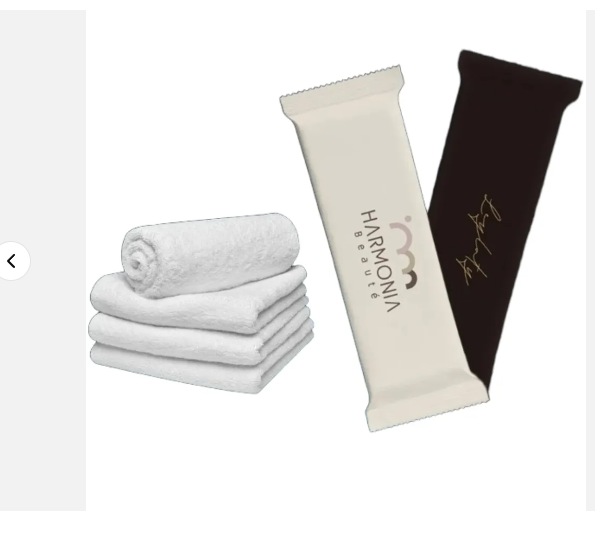
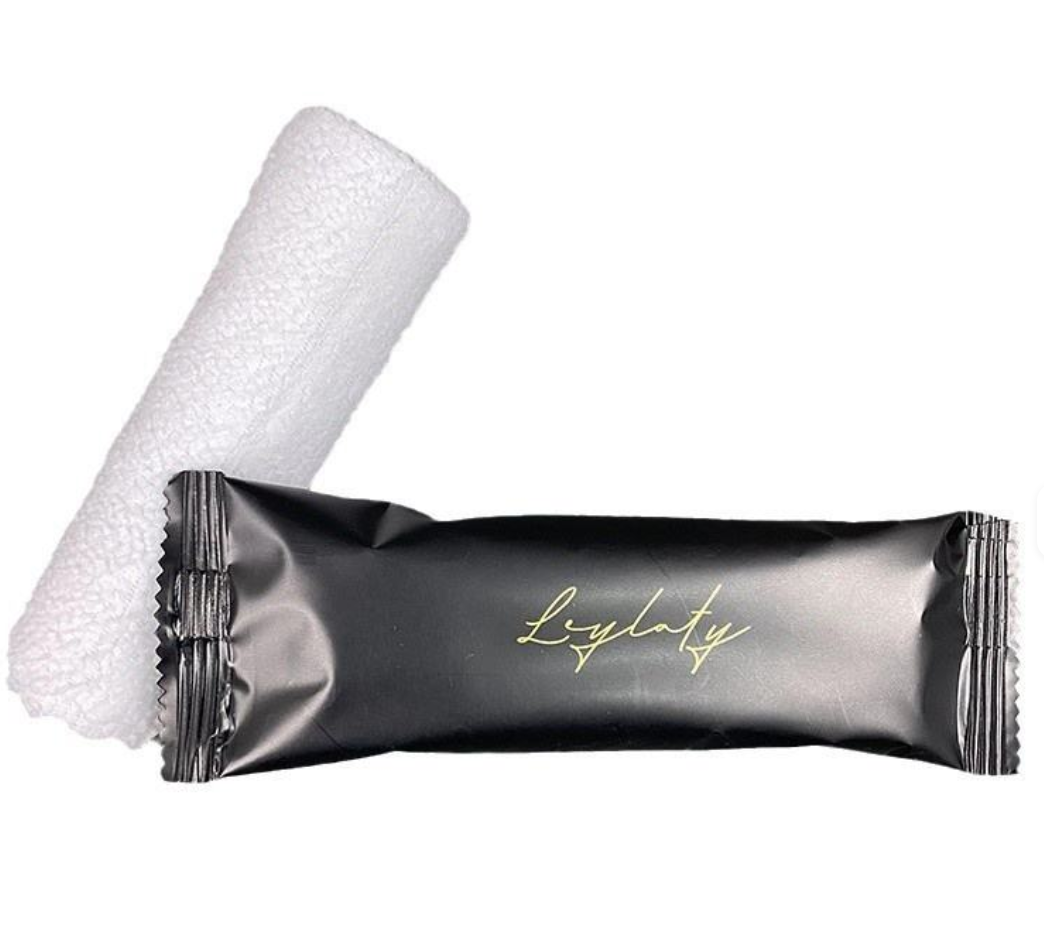
A wet towel is available in individually wrapped packets, bulk canisters, or roll formats depending on application. In hospitality and food service, the individually wrapped wet towel is a standard offering. In industrial and healthcare settings, a wet towel with higher active ingredient concentrations is used for more rigorous disinfection. The wet towel format gives it a dual benefit: physical cleaning plus chemical sanitation in a single step.
What Hand Sanitizer Is Made Of
Hand sanitizers are gel, foam, or liquid products built around an active disinfectant — most commonly isopropyl alcohol or ethyl alcohol at concentrations between 60% and 80%. Some non-alcohol hand sanitizers use benzalkonium chloride as the active agent. Unlike a wet towel, hand sanitizer contains no physical scrubbing component. It relies entirely on the chemical activity of its ingredients to neutralize pathogens. Hand sanitizer is dispensed directly onto the skin without any wipe-down motion, and it evaporates within seconds after application.
Cleaning Effectiveness and Germ Removal
Physical Removal vs. Chemical Killing
The most significant practical difference between a wet towel and hand sanitizer is how each addresses contamination. A wet towel physically removes germs, dirt, and chemical residues from the surface it contacts. This is important when hands are visibly soiled or when surfaces need to be wiped free of allergens, food particles, or non-biological contaminants. Health guidelines widely recommend using a wet towel or soap-and-water method over hand sanitizer when hands are noticeably dirty, because sanitizer cannot remove physical debris effectively. The wet towel is therefore the more versatile option for general cleaning tasks.
Hand sanitizer kills a broad spectrum of bacteria and viruses rapidly, making it the preferred option in clinical or high-traffic environments where hands are not visibly soiled but pathogen exposure is a concern. However, hand sanitizer is less effective against certain non-enveloped viruses and cannot neutralize chemical or pesticide contamination at all. A wet towel with an appropriate antibacterial formula can bridge this gap, providing both physical removal and a degree of chemical disinfection in one product.
Surface Compatibility and Application Range
A wet towel can be used on skin, tabletops, equipment surfaces, door handles, and many other contact points. Its multi-surface applicability gives it a clear advantage in settings such as restaurants, aircraft cabins, child care facilities, and gyms, where both personal hygiene and surface hygiene are required. Hand sanitizer is formulated solely for skin application and should not be used on surfaces or objects. Using hand sanitizer on surfaces provides little to no benefit and may leave residue. In this respect, the wet towel is the more flexible and broadly applicable hygiene product.
Convenience, Safety, and Business Suitability
Portability and Ease of Use
Both the wet towel and hand sanitizer score well on portability, but in different ways. Hand sanitizer in a small bottle is easy to carry in a pocket and requires no disposal step — it simply absorbs into the skin. A wet towel in an individual packet is slightly bulkier but provides a more thorough clean. For businesses distributing hygiene products to guests or staff, the individually wrapped wet towel is a preferred choice because it communicates a higher standard of care and provides a complete cleansing experience. Hotels, airlines, and restaurants commonly offer a wet towel as a premium hospitality touch precisely because it does more than sanitizer alone.
Safety Considerations for Sensitive Users
Hand sanitizers with high alcohol content can cause skin dryness, irritation, or allergic reactions with frequent use, particularly for children and people with sensitive skin. A wet towel formulated with mild, skin-safe ingredients offers a gentler alternative for regular daily use. Many wet towel products are specifically designed with moisturizing agents, pH-balanced solutions, or fragrance-free formulas to minimize irritation. For parents, caregivers, and foodservice professionals who must clean hands and surfaces many times per day, a gentle wet towel may be the more sustainable and comfortable hygiene option over heavy-duty sanitizers.
From a business procurement perspective, the wet towel also offers branding opportunities that hand sanitizer cannot match. Custom-printed wet towel packets can carry a company logo, promotional message, or product information. This makes the wet towel an effective dual-purpose item in hospitality and branded consumer product contexts. Bulk wet towel orders for restaurants, airlines, or event venues provide both hygiene compliance and brand visibility in a single cost-effective package.
FAQ
Can a wet towel replace hand sanitizer entirely?
A wet towel with an antibacterial formula can perform many of the same functions as hand sanitizer and additionally removes physical dirt and debris. However, in clinical settings where rapid, waterless disinfection is required, alcohol-based sanitizer may still be preferred. For most everyday hygiene needs, a properly formulated wet towel is a highly effective and often superior alternative to hand sanitizer alone.
Is a wet towel safe for children and sensitive skin?
Yes, many wet towel products are specifically formulated to be gentle on sensitive skin, free from harsh alcohol concentrations, and dermatologically tested. Parents and caregivers should select a wet towel labeled as alcohol-free or with a mild antibacterial agent and confirm it does not contain allergens or strong fragrances. Always check the product label before using any wet towel on very young children or individuals with known skin sensitivities.
How should businesses choose between a wet towel and hand sanitizer for their operations?
Businesses should consider the nature of the environment and the hygiene tasks involved. If employees or guests handle food, work with surfaces, or need a complete clean, a wet towel is the better choice. If rapid, portable, waterless pathogen control is the primary need in a clinical or transit setting, hand sanitizer serves that function well. Many businesses benefit from offering both, but for multi-purpose hygiene coverage and a strong guest experience, a wet towel remains the more comprehensive and professional option.