 EN
EN
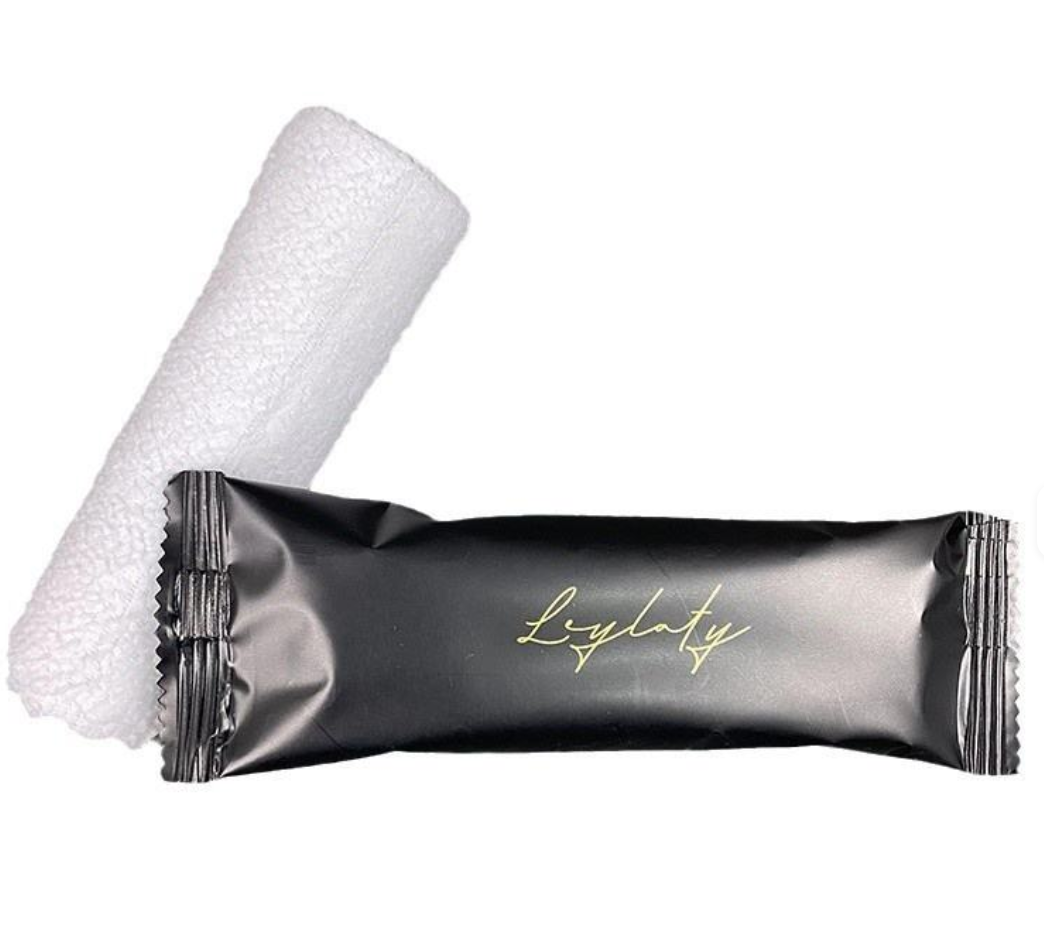
The growing demand for responsible business practices has pushed hospitality and foodservice industries to rethink single-use products. Among these, the wet towel has become a focal point for sustainability conversations. A standard wet towel relies on synthetic fibers and chemical-laden packaging that persist in landfills for decades. Choosing a biodegradable wet towel is not just a trend — it is a measurable step toward reducing operational environmental impact while still delivering the comfort and hygiene that customers expect.
Every hotel, airline, restaurant, and travel brand that distributes a wet towel to its guests generates a volume of waste that accumulates rapidly at scale. When that wet towel is made from pure cotton or plant-based fiber and packed in compostable material, its end-of-life impact changes dramatically. This article explores the core reasons why switching to a biodegradable wet towel is the right environmental and business decision, and what factors make one wet towel genuinely more sustainable than another.
The Environmental Case for a Biodegradable Wet Towel
How a Standard Wet Towel Harms the Environment
A conventional wet towel is typically made from polyester or blended synthetic fibers. These materials do not break down in natural environments. When a wet towel ends up in a landfill, it can take hundreds of years to decompose. The chemicals used to keep a wet towel moist — preservatives and fragrances — can also leach into soil and water sources over time. For businesses distributing thousands of units daily, the cumulative damage from a non-biodegradable wet towel is significant.
Beyond material composition, the packaging of each wet towel matters. Plastic sachets that enclose a standard wet towel add another layer of non-degradable waste. These sachets are too small for most recycling programs and frequently end up in ocean-bound waste streams. Switching to a wet towel wrapped in biodegradable film or compostable foil directly addresses this secondary waste problem at the source.
Why Pure Cotton Makes a Wet Towel More Sustainable
Pure cotton is a natural, renewable material that breaks down efficiently in composting environments. A wet towel made from 100% cotton fibers returns to the earth without releasing microplastics. This is a critical distinction when comparing a cotton wet towel to a spunlace polyester wet towel. Cotton also offers superior softness, which means a biodegradable wet towel does not require businesses to compromise on the guest experience. Sustainability and comfort can coexist in the same wet towel product.
Organic or sustainably sourced cotton takes this further. A wet towel produced from cotton grown without synthetic pesticides reduces chemical runoff during the agricultural phase, not just the disposal phase. When evaluating a wet towel supplier, businesses should ask about the full lifecycle — from raw material sourcing to final decomposition — to ensure the wet towel meets genuine environmental standards rather than surface-level claims.
Business Reasons to Choose a Sustainable Wet Towel
Meeting Guest Expectations and Brand Values
Modern consumers are increasingly aware of the environmental choices businesses make on their behalf. Offering a biodegradable wet towel signals that a brand takes sustainability seriously. Hotels and airlines that distribute a certified eco-friendly wet towel can communicate that commitment visibly on menus, in-room materials, and digital channels. This transforms a simple wet towel from a disposable amenity into a brand value touchpoint. Guests who see a compostable wet towel are more likely to associate the business with responsible and forward-thinking values.
The hospitality industry is also increasingly subject to environmental compliance requirements. Certain jurisdictions are introducing restrictions on single-use plastics and non-biodegradable disposables. A business that has already transitioned to a biodegradable wet towel is better positioned to meet these regulations without operational disruption. Proactively choosing a compliant wet towel format today reduces regulatory risk tomorrow.
Cost Efficiency and Operational Fit
A common concern when switching to a biodegradable wet towel is cost. In practice, eco-friendly wet towel options available through OEM and custom production channels are increasingly price-competitive with conventional alternatives. When businesses order a wet towel in high volumes with custom branding, the per-unit cost of a biodegradable wet towel often aligns closely with standard wet towel pricing. The operational handling of a biodegradable wet towel is also identical to conventional formats — no special storage, no modified service procedures, and no training requirements.
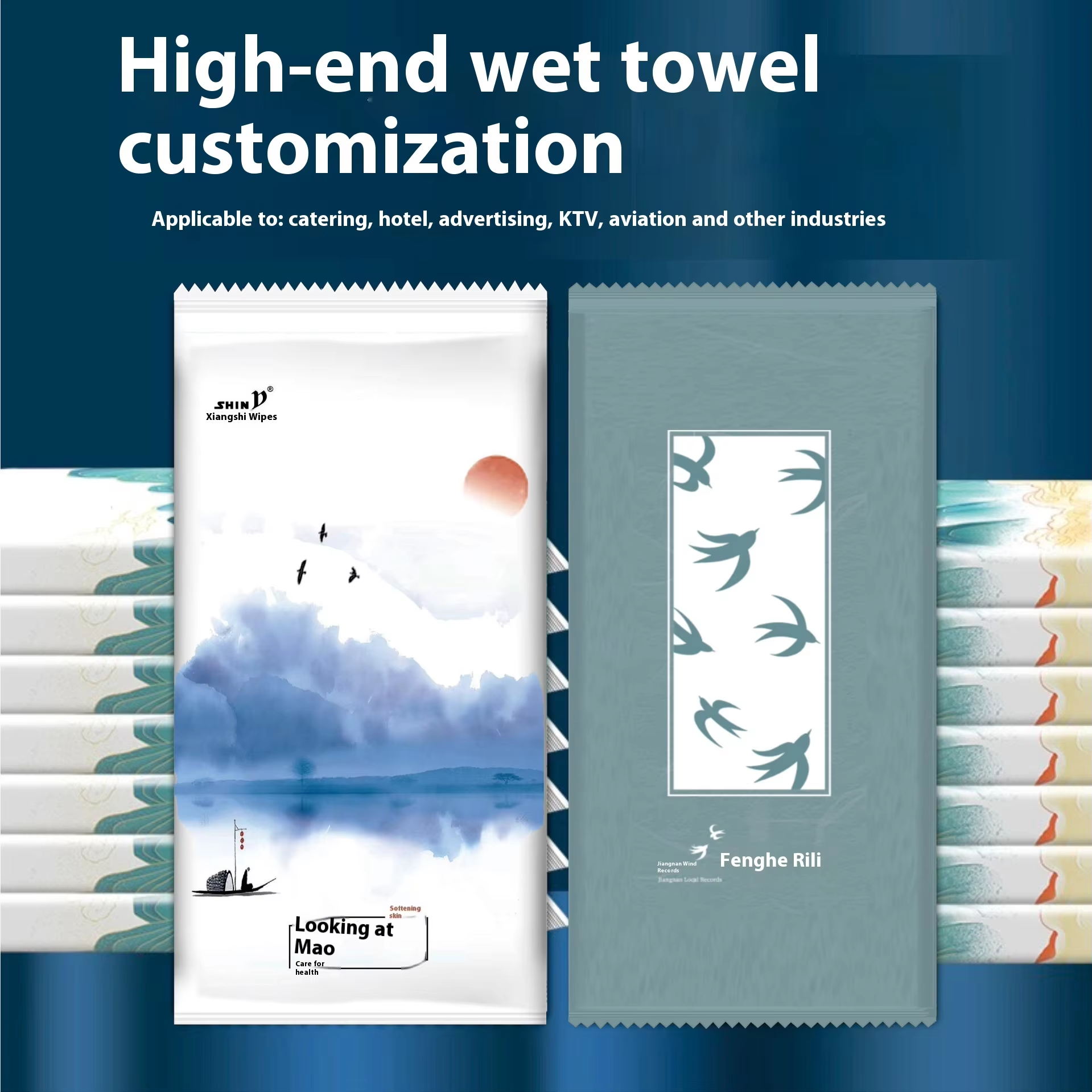
Custom roll-shaped formats allow a wet towel to be dispensed efficiently in high-turnover environments like buffet counters, airline cabins, or hotel lobbies. A roll-format wet towel reduces packaging waste per unit compared to individually wrapped alternatives and improves service speed. Choosing a wet towel designed specifically for hospitality use means the product arrives ready for your service model without modification.
Key Factors That Define a Truly Eco-Friendly Wet Towel
Material, Certification, and Formulation
Not every wet towel labeled as eco-friendly meets the same standard. To evaluate a wet towel claim, businesses should look for third-party biodegradability certification, clear material disclosure, and ingredient transparency. A wet towel that uses paraben-free, alcohol-free moistening solution is safer for guests and generates fewer harmful residues during decomposition. The wet towel substrate itself should be confirmed as natural fiber — ideally 100% cotton — rather than a blend that includes synthetic content.
Certification bodies such as OEKO-TEX and composting standards such as EN 13432 provide objective validation that a wet towel performs as claimed. When sourcing a wet towel at volume, requesting documentation from the supplier ensures that the wet towel delivered to guests is genuinely sustainable, not just marketed as such. A responsible wet towel manufacturer will provide this documentation without hesitation.
Packaging and Minimum Order Alignment
The packaging surrounding a wet towel carries equal environmental weight as the towel itself. A wet towel enclosed in plant-based film or kraft-style compostable packaging significantly reduces the total waste footprint per unit. Custom logo and design options for a biodegradable wet towel allow businesses to maintain brand consistency while communicating sustainability credentials directly on the package. This dual function — branding and eco-messaging — makes a branded wet towel more valuable than a generic alternative.
Minimum order quantities for a custom wet towel through OEM channels typically start at 10,000 packs, making large-scale adoption accessible for mid-size and enterprise hospitality operators. This volume threshold ensures that transitioning to a biodegradable wet towel is a practical business decision, not just an aspirational one.
FAQ
What makes a wet towel biodegradable?
A biodegradable wet towel is made from natural fibers such as pure cotton that break down in composting or soil environments without leaving harmful residues. The moistening solution must also be free from persistent chemicals. Both the wet towel substrate and its packaging need to meet biodegradability criteria for the product to qualify as genuinely eco-friendly.
Can a biodegradable wet towel match the quality of a standard wet towel?
Yes. A pure cotton wet towel typically offers superior softness and absorbency compared to synthetic fiber alternatives. The biodegradable wet towel format does not require any compromise in moisture retention, fragrance, or shelf life when produced under quality-controlled OEM conditions. Guests consistently respond positively to the texture and feel of a cotton wet towel.
How should businesses transition from a conventional wet towel to a biodegradable option?
The transition is straightforward. Businesses should identify their current wet towel volume, request samples from a certified eco-friendly wet towel supplier, verify material and certification documentation, and then place a custom order aligned to their service format. A roll-shaped wet towel or individually packed wet towel format can be matched to existing service workflows without operational changes.